
AI Agent Products Worth Watching on September 17, 2026
On September 17, 2026, a representative group of products emerged across the AI agent ecosystem. Some turn agents into contacts you can message directly, some give coding agents cloud computers, and others fill gaps in MCP testing, evaluation, memory, tool use, and personal-assistant experiences.
Here are eight products worth watching today. They are more than model wrappers: together, they show agents moving from answering questions toward using tools, working continuously, and being tested and observed.
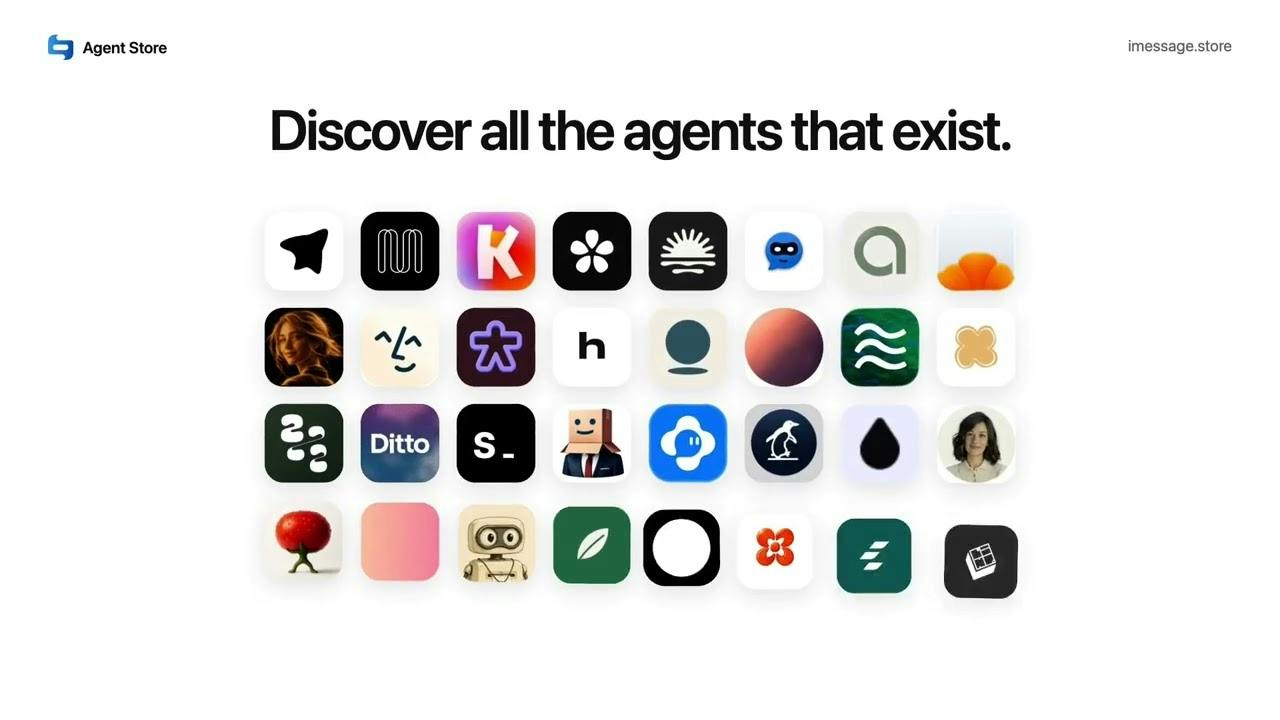
Text Agent Store

Summary:Puts AI agents directly into your phone contacts. Users can browse and use different text agents as easily as sending a message, without configuring a separate app for each one. It shows how an agent marketplace can use contacts and messaging as its discovery, trial, and retention layer.
Source:Product Hunt
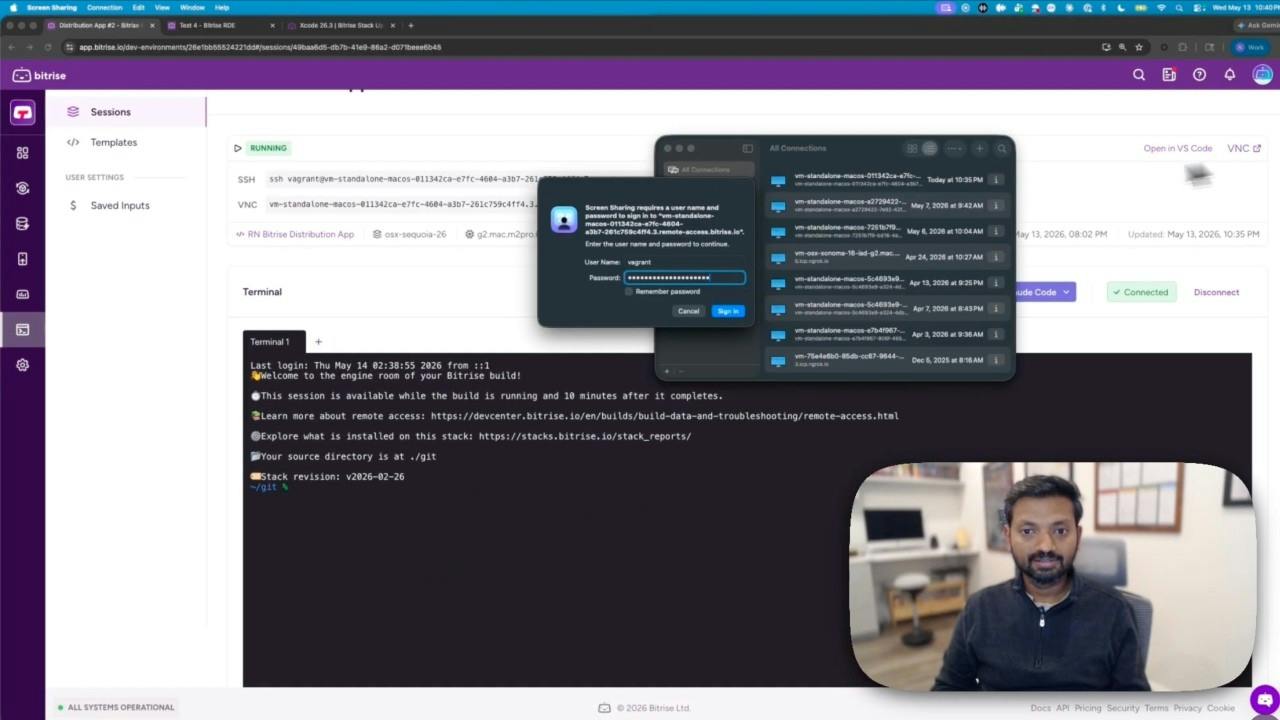
Bitrise Remote Dev Environments

Summary:Provides on-demand cloud development environments for coding agents, including cloud Macs, Linux and macOS virtual machines, terminals, and MCP services. Agents can run code and tools inside real project environments with the stability, isolation, and reproducibility needed for production work.
Source:Product Hunt
MCPJam
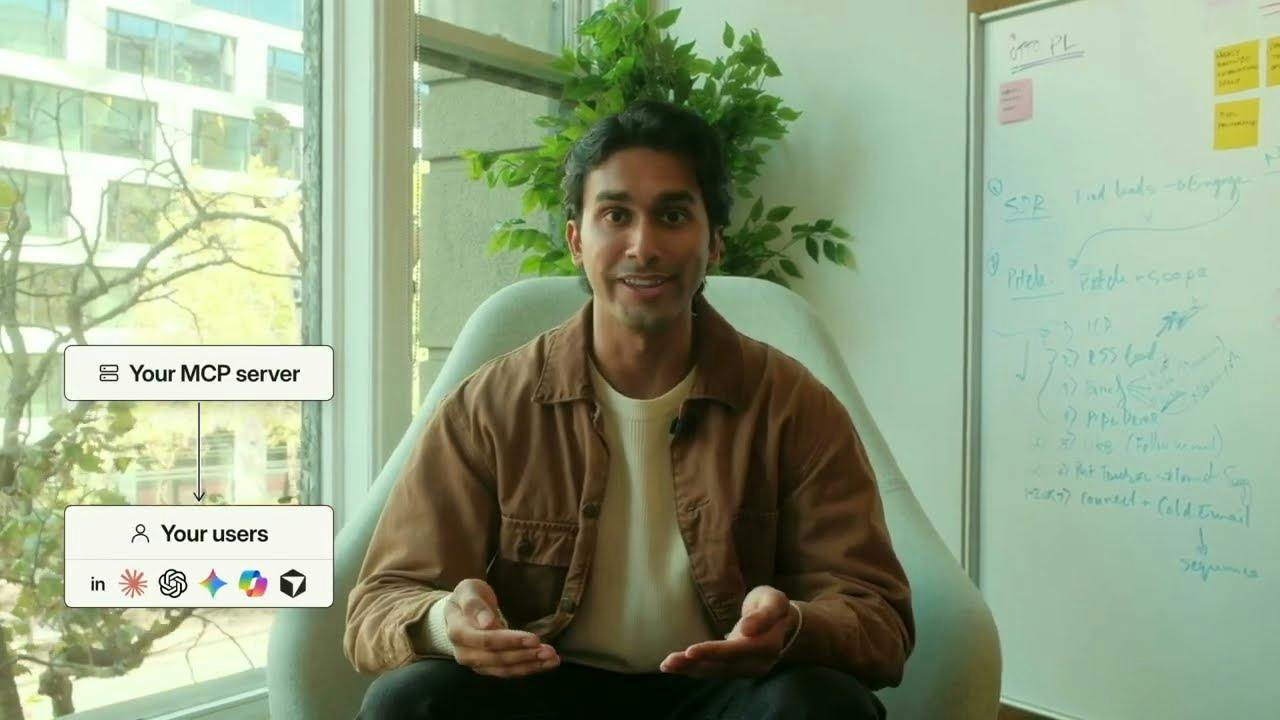
Summary:A testing, debugging, and evaluation workbench for MCP servers. It covers hands-on user testing, agent-swarm testing, offline evaluations, and CI/CD quality gates, bringing the MCP ecosystem’s testing and observability needs into one place.
Source:Product Hunt
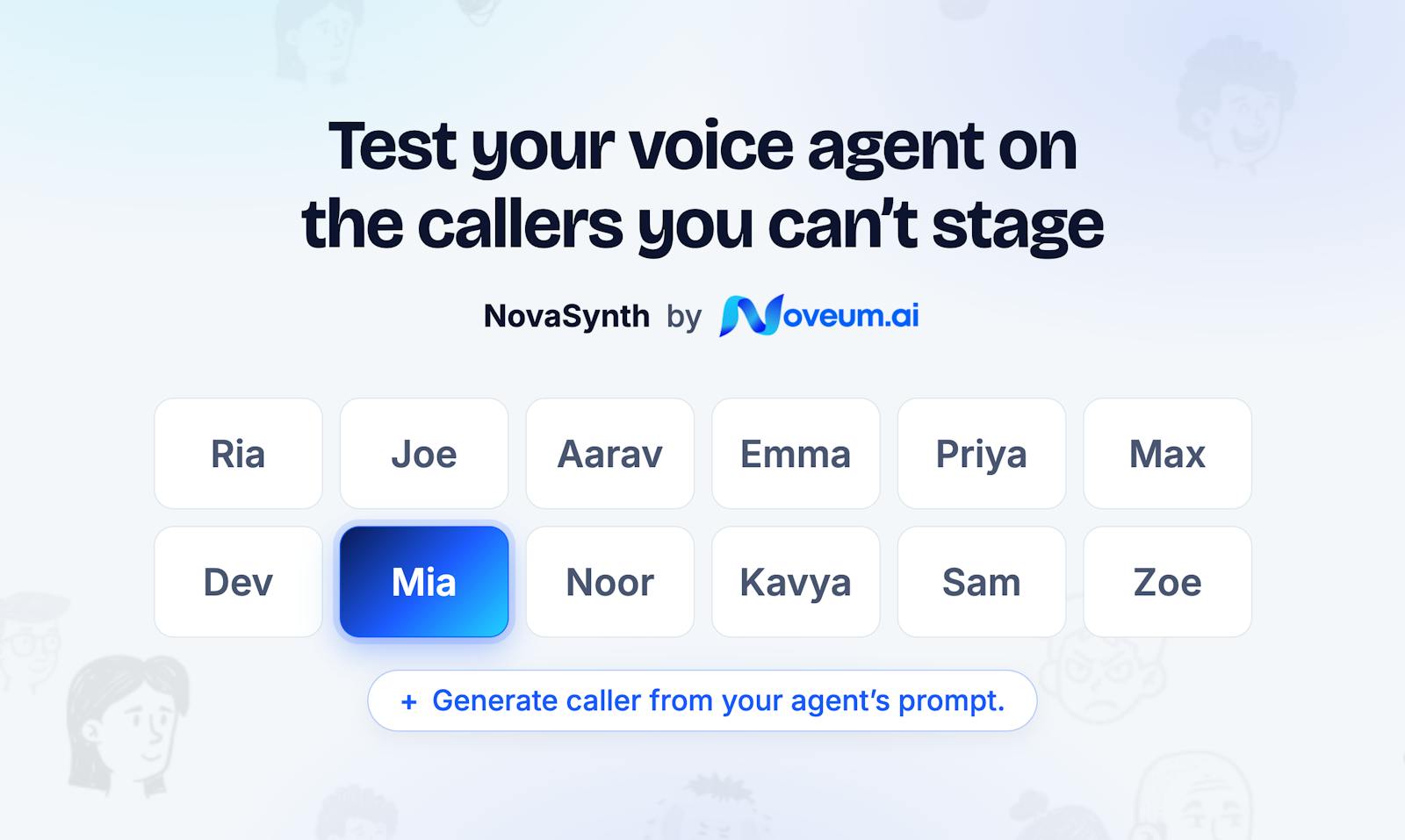
NovaSynth

Summary:Uses synthetic users to test voice and chat agents across personas, scenarios, interruptions, noise, accents, network conditions, and prompt injection. It evaluates more than 30 dimensions from audio and transcripts, turning real-world voice failures into repeatable test cases.
Source:Product Hunt
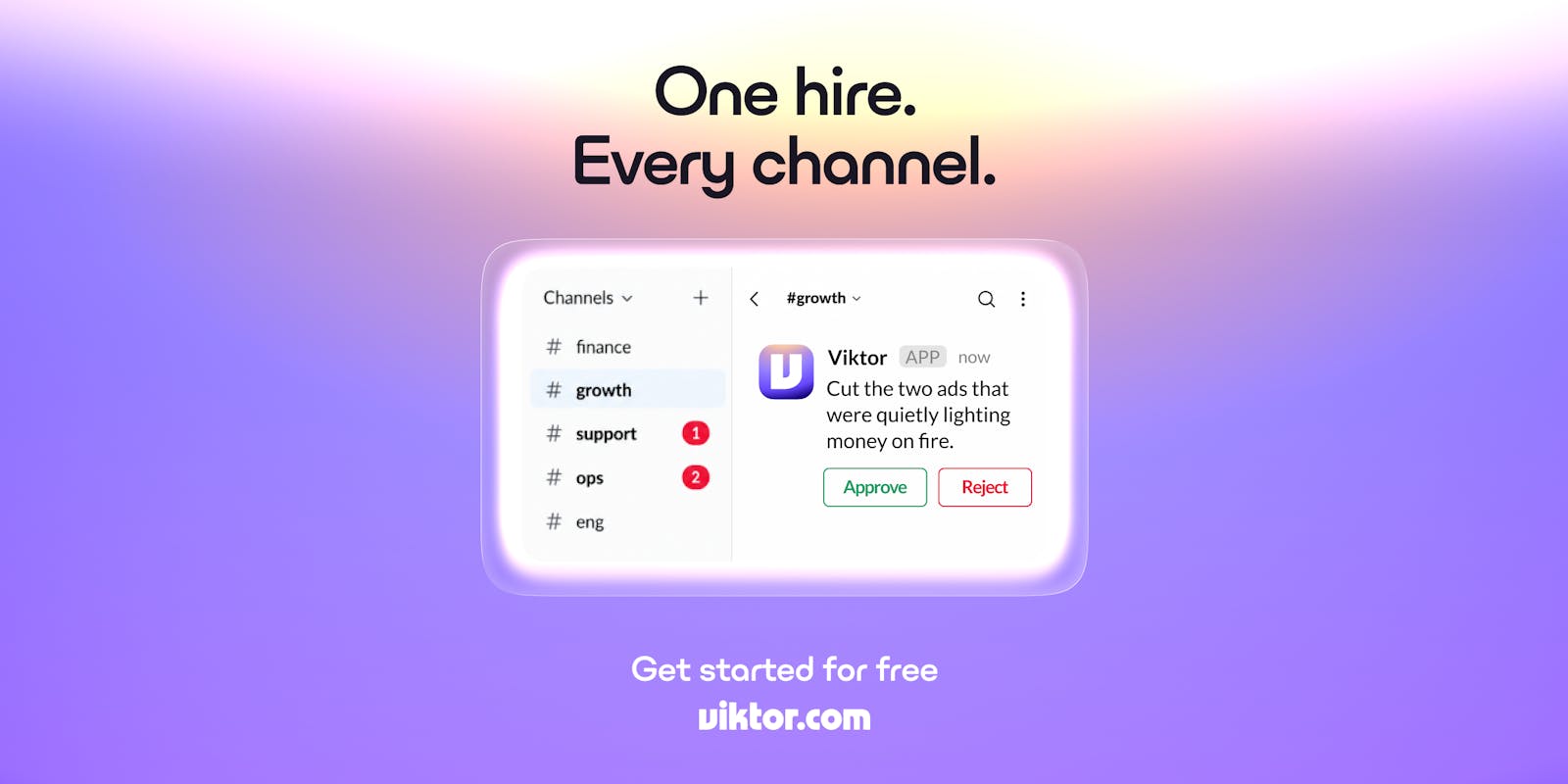
Viktor

Summary:An AI employee that works inside Slack and Microsoft Teams. It can connect to tools, execute tasks, observe how a team works, and turn recurring processes into automations. By operating in existing collaboration spaces, it behaves more like a teammate that can receive delegated work.
Source:Product Hunt
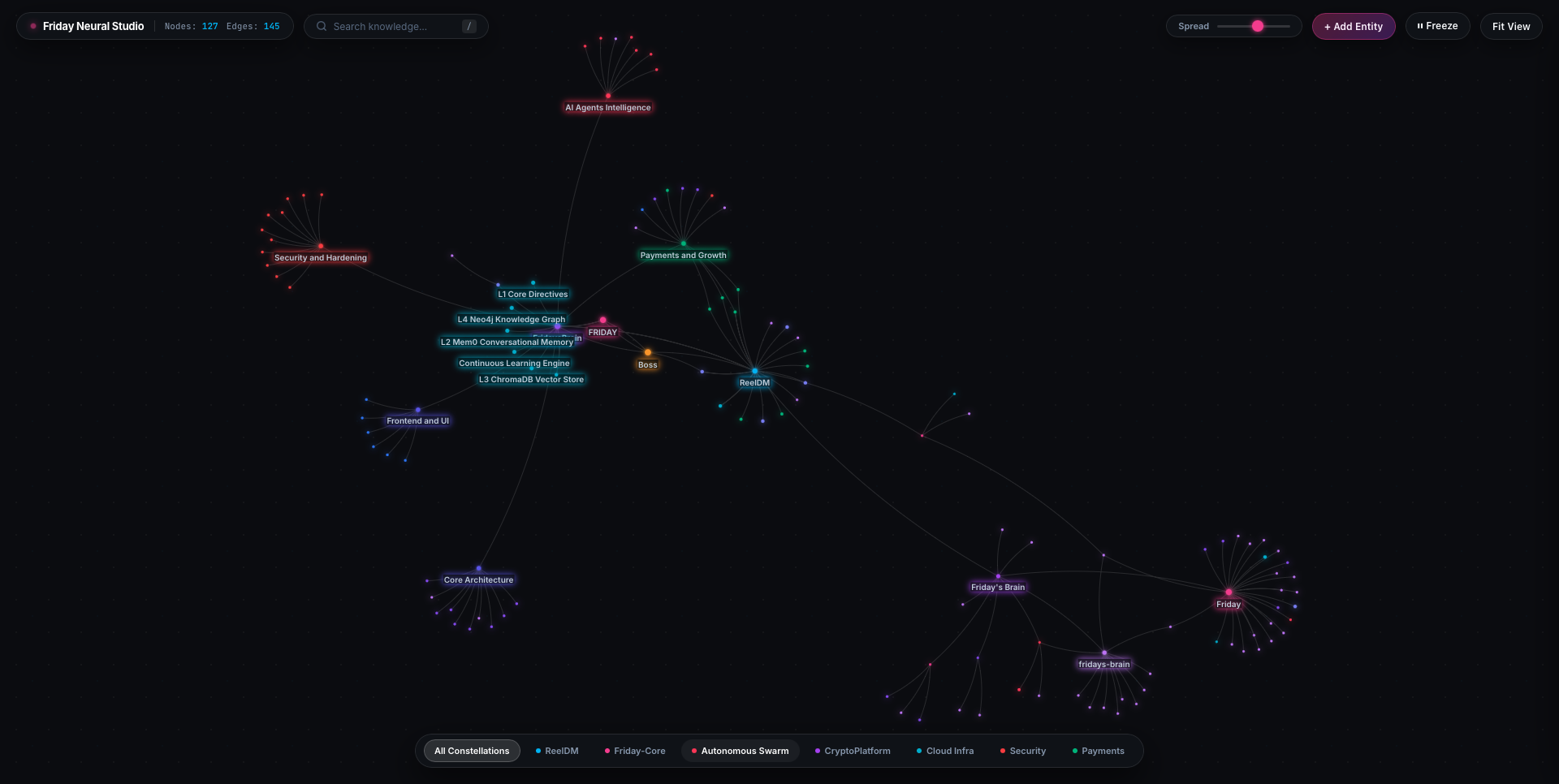
Friday

Summary:An open-source, self-hosted persistent memory layer for AI coding agents. Through MCP, Friday stores architectural decisions, project facts, and preferences, then combines vector retrieval with a knowledge graph so tools such as Cursor, Claude, and VS Code can share context across sessions.
Source:GitHub
monid

Summary:An “OpenRouter for agent tool calls.” With one base URL and one key, monid connects tools from multiple providers. Agents can discover and compare tools before paying per call, reducing the cost and repetition of integrating APIs one by one.
Source:monid

RunErrand

Summary:An open-source desktop app for AI teammates. Each agent gets its own cloud workspace, browser, tools, and files. Users assign work through chat, much like they would with a colleague, and can open the agent’s computer to inspect its progress.
Source:RunErrand
What stands out today
These eight products point to the same shift: competition among agent products is moving from “can the model answer?” to “can it enter a real environment and complete work reliably?” Entry points, execution environments, tool protocols, evaluation systems, long-term memory, and auditable collaboration interfaces are becoming equally important parts of the product stack.
If there is one direction to keep following, it is the combination of agent infrastructure. MCPJam validates tools, Bitrise Remote Dev Environments supplies execution space, Friday and monid cover memory and tool access, and NovaSynth pushes voice-agent quality testing closer to real-world conditions.